
Lansink's Ladder: what the waste hierarchy means for your organisation
Recycling often feels like the responsible choice. But is it also the best one? The Lansink Ladder provides organisations with a concrete framework for processing end-of-life electronics higher up in the waste hierarchy, and that difference also counts towards your CSRD reporting.

The contract is expiring. The laptops are three years old. "We'll send those to recycling," someone says in the meeting.
Everyone nods.
It feels like the responsible choice.
But no one has asked whether those devices still work perfectly well.
This scenario plays out every day in organisations. Not out of ill will, but because the framework to ask the right question is missing. Lansink's Ladder provides that framework.
What is Lansink's Ladder
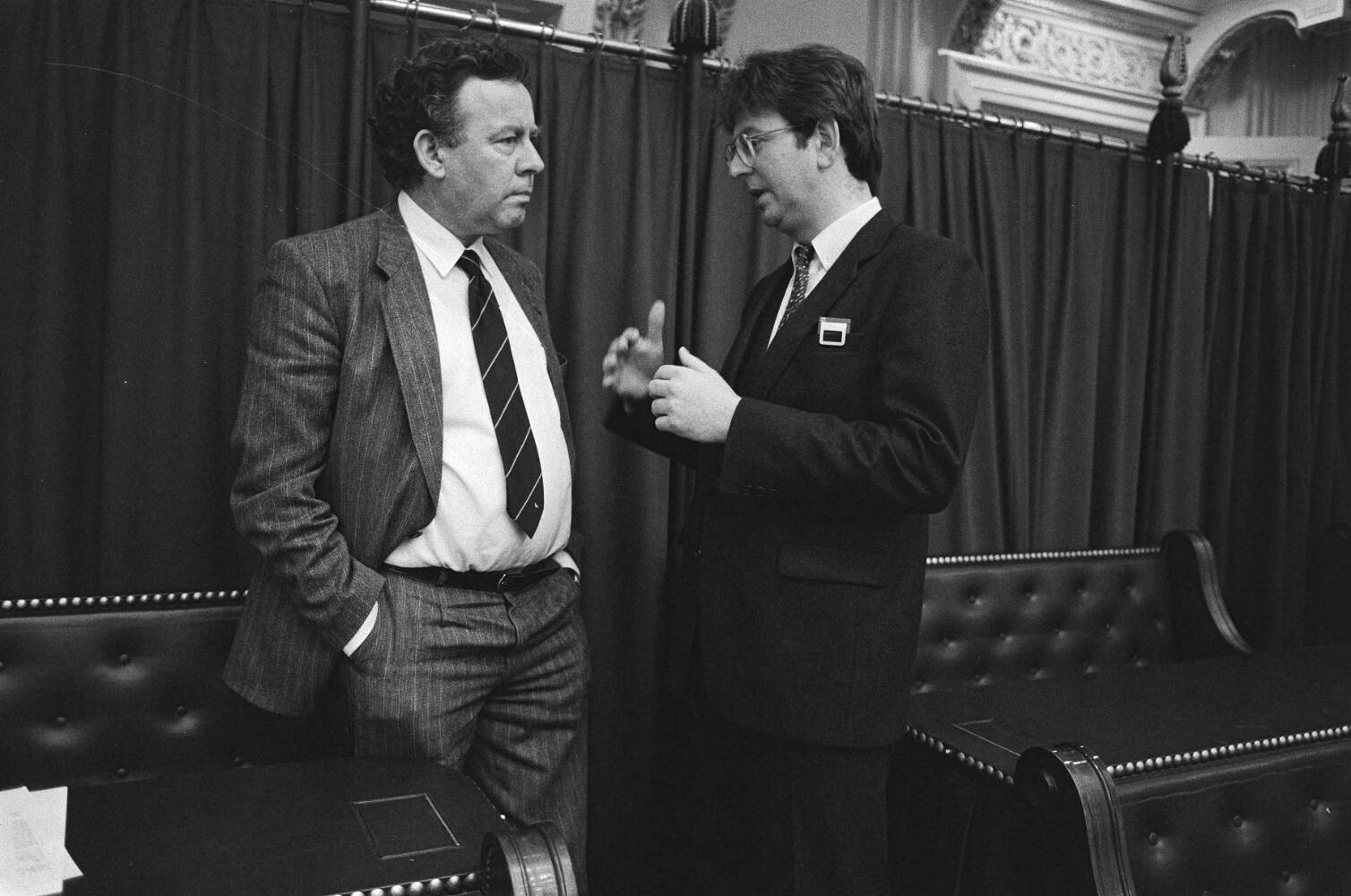
In 1979, Dutch politician Ad Lansink tabled a motion in the Dutch House of Representatives. The message was straightforward: waste has a preferred order, and that order should guide decision-making. Landfill and incineration were the norm at the time. The ladder made it visible that better options exist, and that the choice between them matters.
That motion grew into one of the most widely used concepts in European waste and resource policy. Today, the ladder is formally embedded in the European Waste Framework Directive (2008/98/EC). But there is a significant difference between knowing the ladder and applying it consistently.
The six rungs of the ladder
The waste hierarchy consists of six levels, ranked from most to least preferred:
- Prevention: The best waste is waste that never arises. Prevention means designing and using products so they last as long as possible and cause as little material loss as possible.
- Reuse: Products or components that are put back into use without significant processing. For electronics, this means devices that find a second user directly after inspection and, where necessary, cleaning.
- Recycling: When reuse is no longer possible, raw materials can be recovered from the materials. Metals, plastics and rare earth elements can re-enter the production chain.
- Energy recovery: Materials that can no longer be recycled can be incinerated with energy recovery. This is less desirable than recycling, but more valuable than incineration without any recovery.
- Incineration: Thermal disposal without useful energy recovery. At this level, the full material value is lost.
- Landfill: The least desirable option: materials are permanently removed from the economic cycle without any form of recovery.
Why does the order matter?
Every rung lower on the ladder means more loss: more raw materials disappearing, more CO2 emissions from new production, more costs in the long run. For electronics, this is particularly relevant, because devices contain rare and valuable materials such as cobalt, lithium, indium and neodymium. These materials are difficult to extract, geopolitically sensitive and energy-intensive to produce.
A laptop that is recycled returns a fraction of its material value. The same laptop given a second life through reuse retains its full economic and ecological value. The difference between rung two and rung three looks small on paper, but in practice it is enormous.
Electronics and the gap between theory and practice
In theory, virtually every organisation endorses the principles of the waste hierarchy. In practice, implementation falls short.
A common pattern: end-of-life electronics are correctly collected, but sent directly to recycling without any systematic assessment.
The causes vary:
- no clear criteria for evaluating reuse potential,
- no validated testing procedures,
- or simply no partner covering the full journey from intake to reuse or responsible disposal.
The result is that devices that could have served for years are destroyed unnecessarily. This at a time when the production of new electronics is one of the most material- and energy-intensive processes in existence.
Lansink's Ladder and CSRD reporting
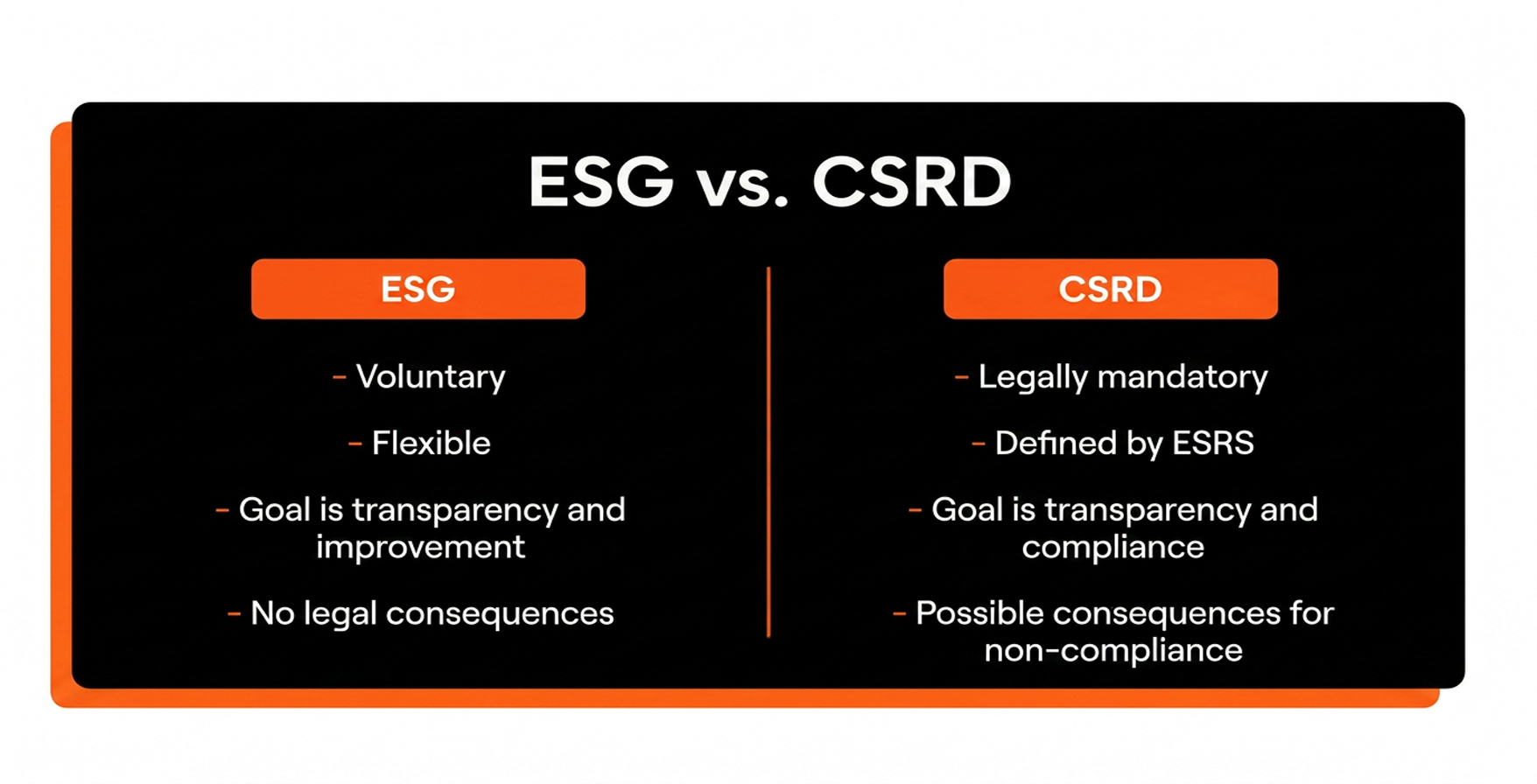
Companies subject to the CSRD obligation (the European directive on sustainability reporting) are required to report on their material flows and circularity initiatives. The ESRS E5 standard specifically asks about an organisation's position in the circular chain and the measures being taken to operate higher up the waste hierarchy.
Organisations that can demonstrably show their end-of-life electronics are processed through reuse hold a more concrete and stronger reporting position than those that only refer to recycling. That difference becomes increasingly relevant as CSRD obligations apply to a broader range of companies.
How Brainscape puts the ladder into practice
At Brainscape, Lansink's Ladder forms the basis of every processing trajectory. Every device that arrives undergoes a standardised assessment: what is the technical condition, what is the reuse value, and what is the ratio between the cost of restoration and the economic return?
For devices containing a data carrier, certified data destruction is an absolute prerequisite before any further destination is determined.
Devices for which reuse is technically and economically viable are prepared for a second life.
Devices where the restoration cost exceeds the return are transferred to certified recycling partners for responsible dismantling. Here too, circular logic is maintained: valuable materials such as metals are recovered and reintroduced into the production chain.
The entire process is fully certified under ISO 9001, ISO 14001 and WEEELabex, making it fully traceable and reportable.
Organisations that work with Brainscape receive structured and detailed reports containing all the information relating to the processing of their materials. If desired, they can also receive a full downstream report on the materials resulting from the recycling process.
These figures are directly usable in ESG and CSRD reports.
What can you do
Start by asking whether your organisation has a policy for handling end-of-life electronics. Many organisations act on an ad hoc basis: devices disappear into a corner, are taken home by an employee or end up in a general waste stream. If there is no documented process, that is the starting point.
Next, map out what happens to your devices. Ask your processor what percentage is effectively reused, what percentage goes to recycling, and whether they hold certifications such as ISO 14001 or WEEELabex.
Then assess whether reuse is systematically evaluated, or whether recycling is the default route. Are devices tested? Are there clear criteria? That difference often lies not in intent, but in process.
Finally, ensure the data you receive is usable for reporting. A certificate of destruction is no longer sufficient if your organisation falls under CSRD obligations.
Would you like to know what we can do in practice for your organisation? Get in touch.


