
How geopolitical tensions are putting pressure on the electronics supply chain – and why reuse is now more important than ever
Middle East conflict is putting pressure on the electronics supply chain. See why reuse and refurbishing are becoming strategic solutions.

The escalation of the conflict between the US, Israel and Iran is affecting far more than energy markets. Recent analysis shows the global chip industry is facing potential shortages of critical materials such as helium and bromine, much of which is sourced from the Middle East. At the same time, drone attacks and growing military tensions are damaging data centres and logistics hubs in the Gulf region, with direct consequences for cloud and AI infrastructure.
This instability is also spreading through global electronics supply chains. Shipping routes around the Strait of Hormuz are being disrupted, insurers are withdrawing war-risk cover, and hundreds of vessels — including containers with electronics and IT equipment — are being delayed. In a recent analysis, Dubai, long considered a safe consolidation point for IT asset disposition (ITAD) and e-scrap, is now described as a logistics chokepoint for global flows of discarded electronics.
For manufacturers and buyers of new hardware, this means longer lead times, higher costs, and greater dependence on scarce, conflict-sensitive raw materials. But that is exactly where a different approach opens up: creating more value from what is already in circulation.

A growing e-waste mountain calls for a different logic
According to the Global E-waste Monitor 2024, the world generated a record 62 million metric tonnes of electronic waste in 2022 — 82% more than in 2010. Only 22.3% of that was officially collected and recycled, while the value of unrecovered raw materials is estimated at around 62 billion dollars. Without a change in direction, that mountain is projected to grow to 82 million metric tonnes by 2030, while the formal collection rate could fall to around 20%.
In other words, while geopolitical risks make the supply of virgin materials more uncertain, a huge stock of valuable devices and materials is still sitting unused in drawers, basements, and mixed waste streams. That is exactly the gap where reuse and refurbishing can make a difference.
How reuse makes the electronics chain more resilient
Instead of sourcing even more primary raw materials from unstable regions, organisations can sharply reduce dependence by extending the life of existing devices. Reuse and refurbishing reduce the demand for new chips and critical materials, which are already under pressure due to the conflict in the Middle East. A circular approach also helps lower the carbon footprint of IT and electronics use, because most of the climate impact occurs during production.
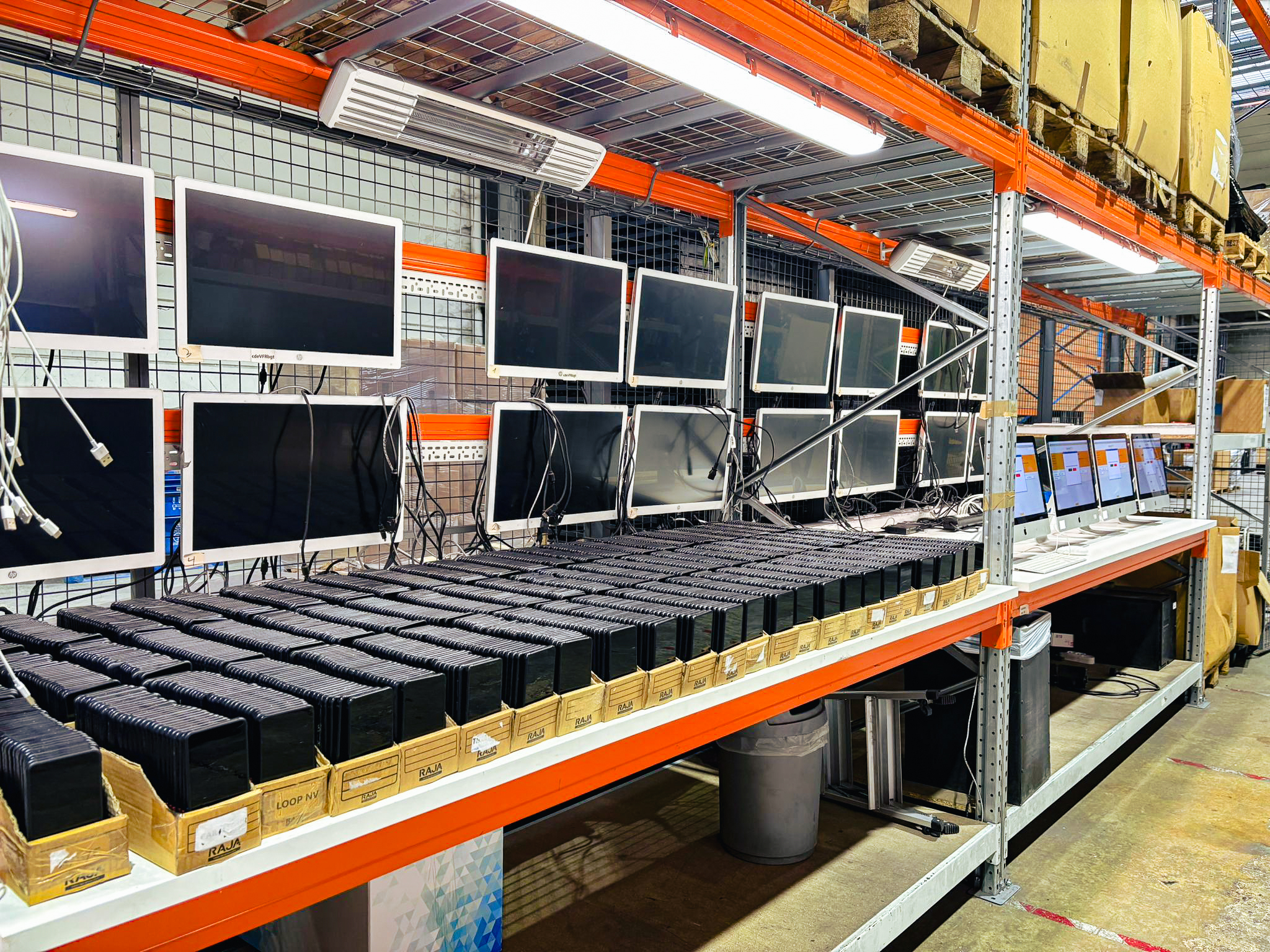
As a Belgian specialist in certified reuse and refurbishing solutions for waste electrical and electronic equipment (WEEE), Brainscape sees this reality every day in practice. By preparing smartphones, laptops, tablets, small appliances, and ink and toner cartridges for reuse, Brainscape extracts maximum value from existing devices before recycling even comes into play. Where recycling always involves material loss, reuse can keep devices in circulation for several more years, directly reducing demand for new production.
Reuse is not only an environmental issue, but also a strategic one. Circular models create more regional jobs, strengthen local knowledge and infrastructure, and reduce exposure to geopolitical chokepoints in distant supply chains. Instead of shipping discarded devices around the world — with today's war risks in the Gulf region — organisations can work with partners that refurbish and report as close to the source as possible.
The role of Brainscape: from e-waste to strategic asset
Brainscape is a Flemish company fully focused on circularity in the electronics chain. The company specialises in preparing smartphones, ink and toner cartridges, PCs/tablets, and small electronics for reuse and refurbishing. Thanks to audited certifications such as ISO 9001 and 14001, WEEELabex, and recognition from Recupel, OVAM, and Leefmilieu Brussel, customers can trust that their WEEE streams are handled in line with legislation and ESG requirements.
In a market where the European Green Deal and the WEEE Directive require authorities to properly collect up to 85% of electronic waste for recycling, reuse, and refurbishing, Brainscape positions itself as a one-stop shop for organisations that want to turn sustainability goals into concrete, measurable action.
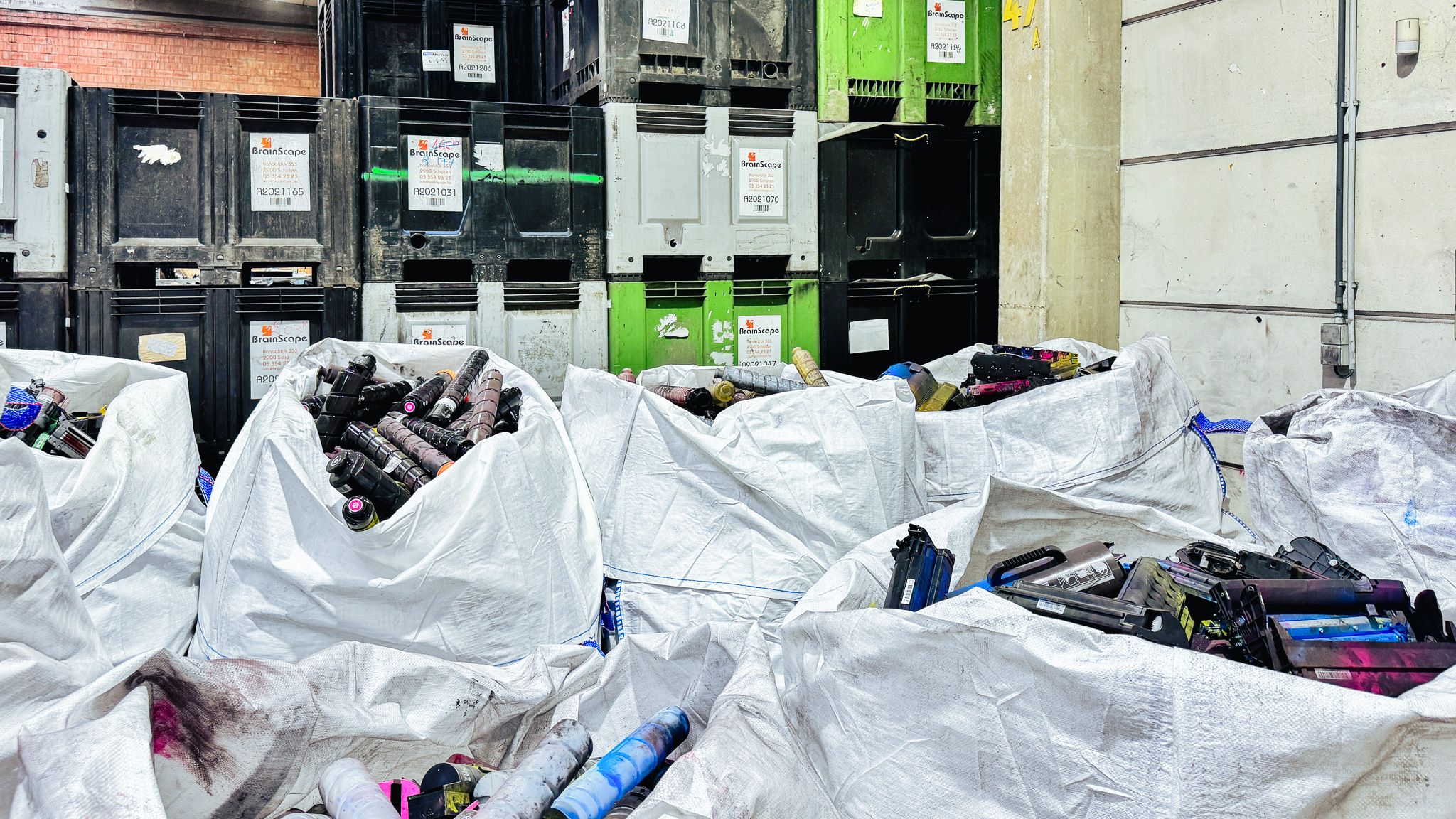
Make reuse a strategic choice
The combination of a growing e-waste mountain, rising material shortages, and a fragile geopolitical context makes one thing clear: business as usual is no longer an option. By choosing reuse and refurbishing, organisations can:
- reduce dependence on conflict-sensitive raw materials and production regions.
- lower their carbon and material footprint with reliable ESG reporting.
- create local, future-oriented jobs within a circular economy.
At Brainscape, we believe that every device given a second life removes one more risk factor from the chain and eases pressure on global raw materials. In times of conflict especially, reuse is no longer a nice-to-have — it is a strategic lever for more resilient, sustainable, and fair electronics supply chains.


